An educational resource exploring herbal ingredients, plant-based formulations, and daily care routines. This platform provides informational content about natural approaches to everyday wellness.
Educational content only. No medical services. No promises of outcomes.
Learn About Natural Wellness
Exploring the landscape of plant-based formulations and their traditional uses
Natural wellness products encompass a broad category of formulations derived from plant-based ingredients. These include herbal extracts, botanical oils, and mineral compounds that have been used in various cultures throughout history.
The category includes topical applications such as balms and creams, as well as dietary supplements made from concentrated plant materials. Each product type serves different purposes in daily routines.
This content is for educational purposes only. Individual experiences may vary. Always research ingredients and consider your personal circumstances.
Understanding topical formulations and their ingredients
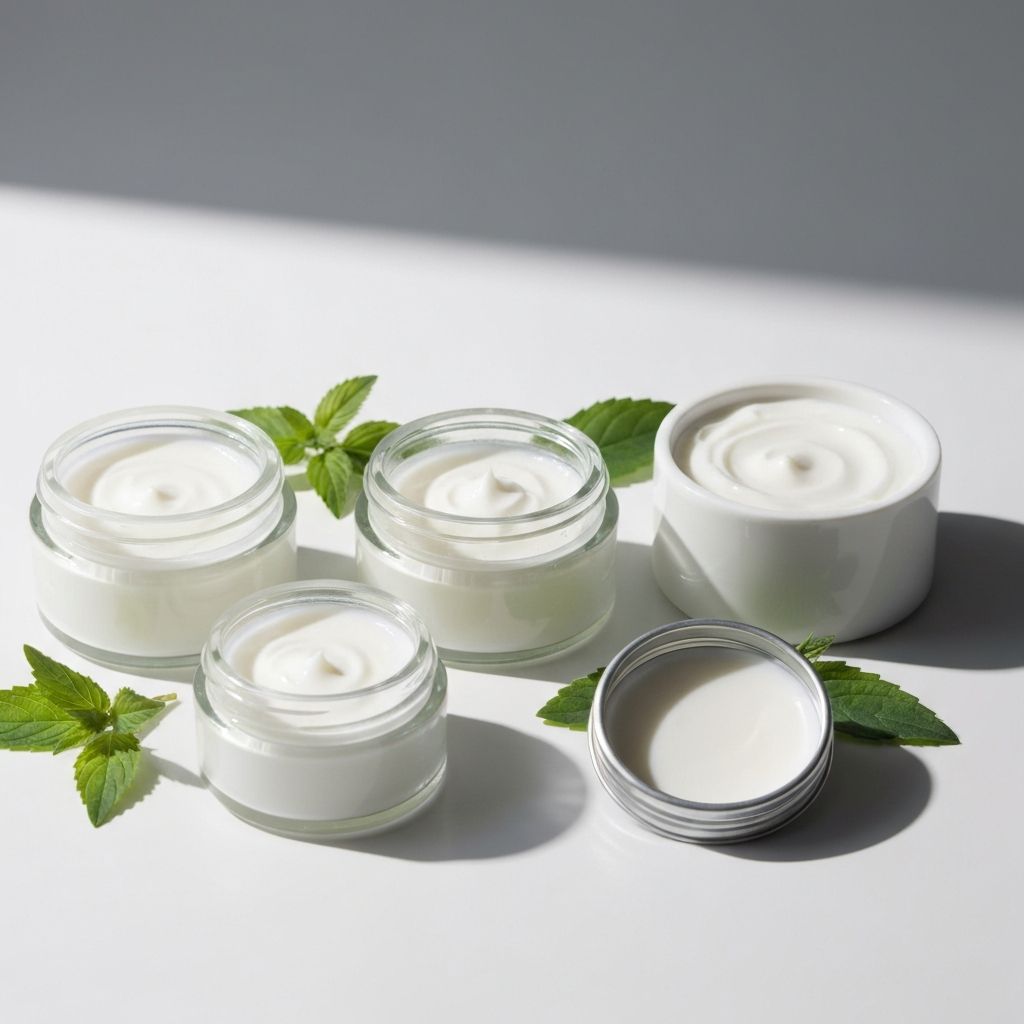
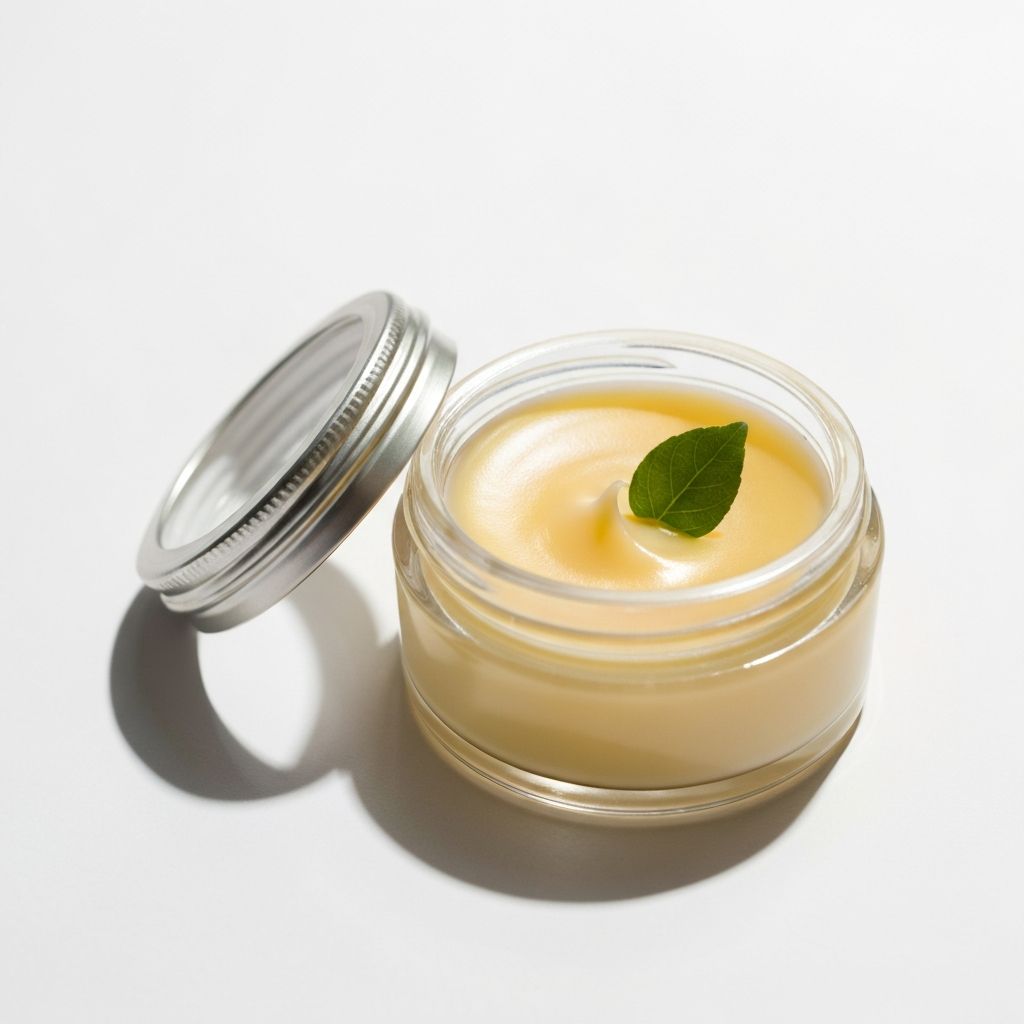
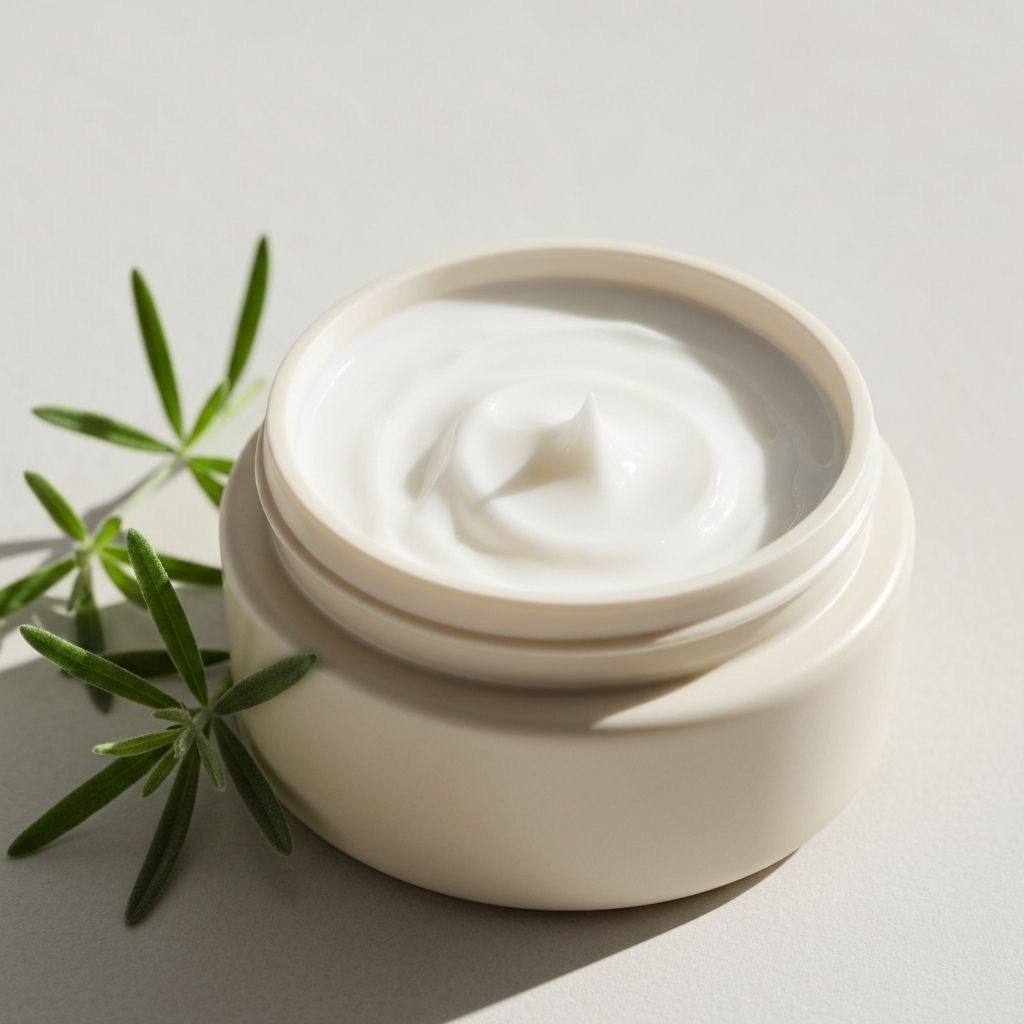
Balms and creams represent one category of natural products designed for external application. These formulations typically combine carrier oils, botanical extracts, and natural emulsifiers to create products suitable for skin application.
Common ingredients found in such products include shea butter, coconut oil, aloe vera, and various herbal extracts. The specific combination of ingredients varies widely between different formulations.
Topical products are generally used as part of daily grooming and skincare routines. Their application methods and frequency depend on the specific product formulation and intended use area.
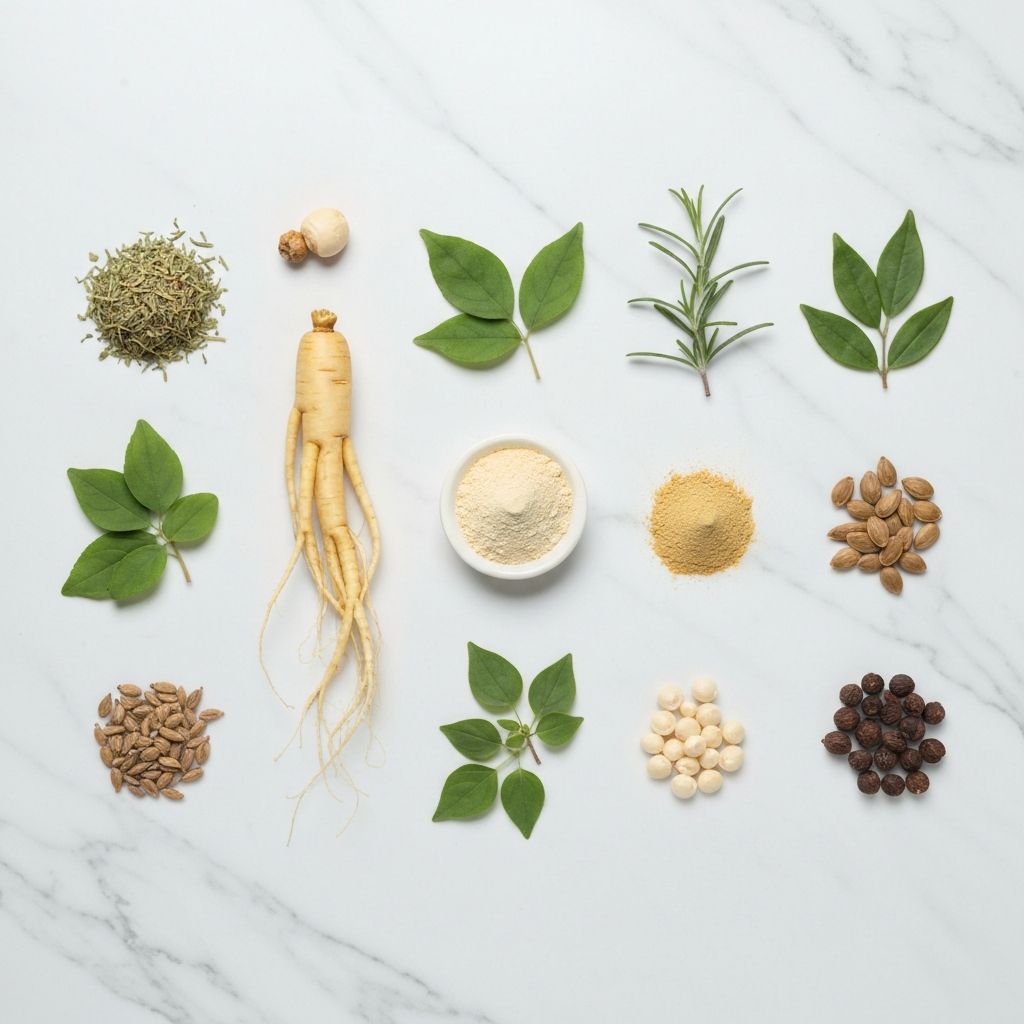
Educational overview of commonly used botanical components
A root traditionally used in Asian cultures. Various types include Korean, American, and Siberian ginseng, each with distinct characteristics studied in ethnobotanical research.
An herb from the Ayurvedic tradition, also known as Withania somnifera. It has been the subject of various studies examining its properties and traditional applications.
A Peruvian plant grown in the Andes mountains. Maca has been consumed as food and studied for its nutritional profile containing amino acids and minerals.
A plant found in various regions worldwide. It has been used traditionally in different cultural contexts and continues to be studied by researchers.
A herb commonly used in cooking and traditional practices. Its seeds contain various compounds that have been analyzed in nutritional research.
A palm plant native to southeastern United States. Its berries have been traditionally used and are subject to ongoing botanical and nutritional research.
The information above describes traditional uses and general characteristics of these plants. This is not advice to use any specific ingredient. Research individual ingredients thoroughly before considering any products containing them.
Understanding the landscape of plant-based supplements
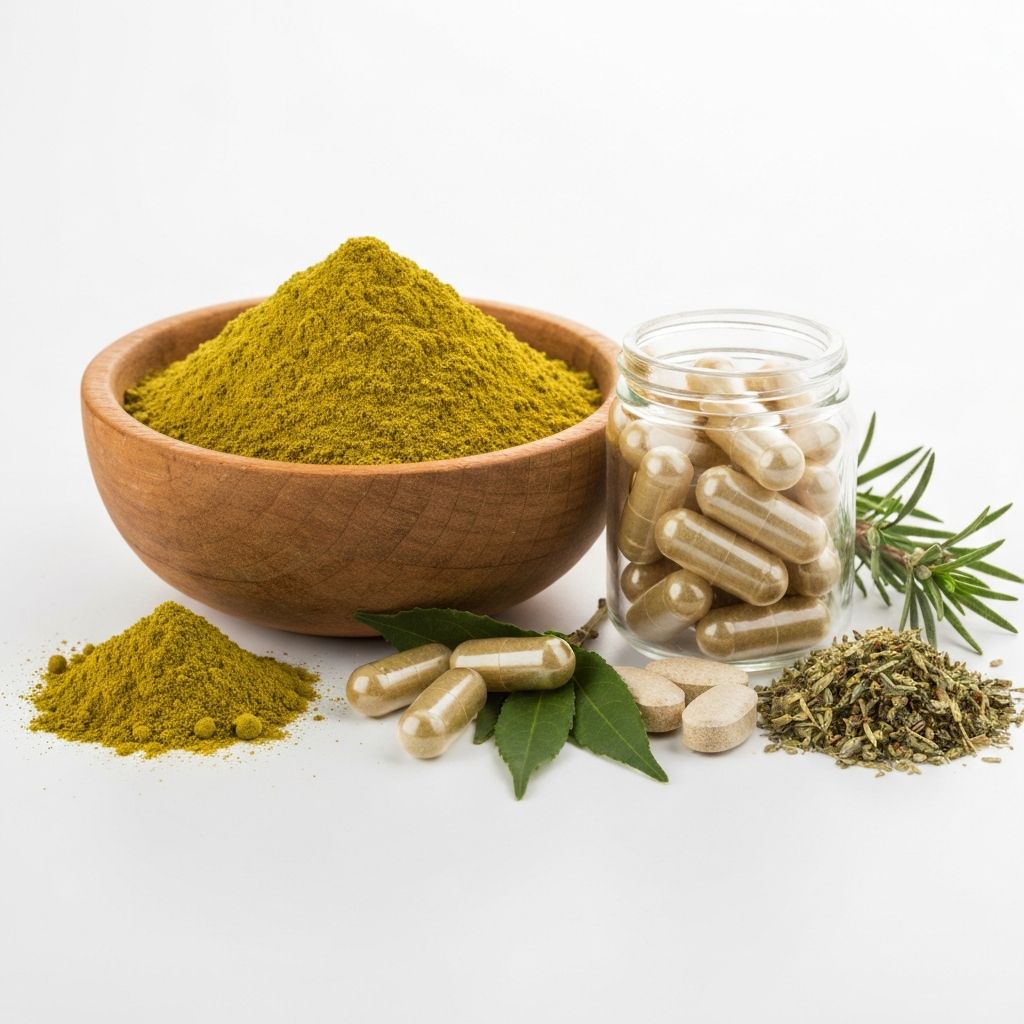
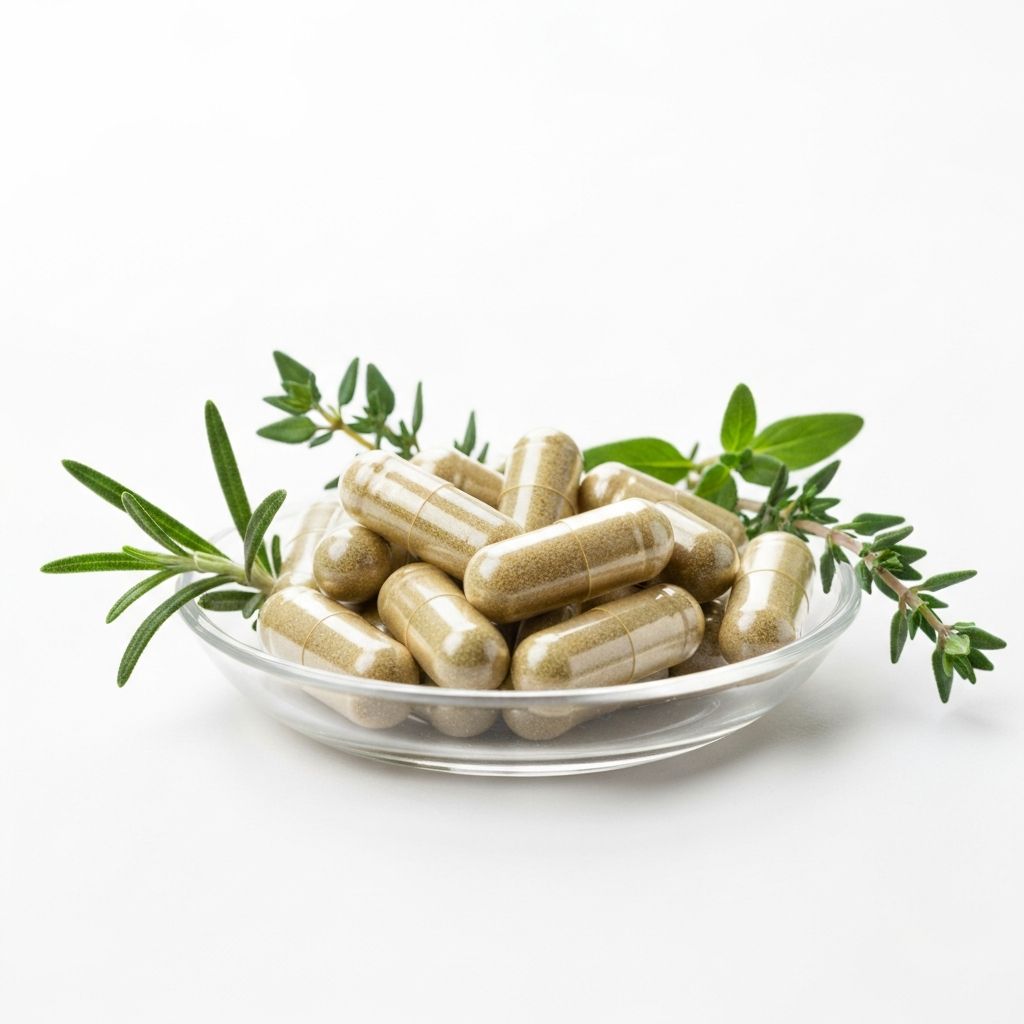
Natural supplements come in various forms including capsules, powders, tinctures, and concentrated extracts. Each delivery method has different characteristics related to ingredient stability and usage convenience.
The supplement category includes single-ingredient products as well as combination formulas that blend multiple botanical extracts. Product labeling typically indicates the source plants and concentration levels.
Supplement labels contain information about ingredients, suggested serving sizes, and manufacturing details. Learning to read these labels helps in understanding what a product contains.
Key label elements include the list of active ingredients, other ingredients used in formulation, and any relevant certifications the product may carry.
Product quality in the supplement category varies significantly. Factors that may influence quality include ingredient sourcing, manufacturing processes, and third-party testing practices.
Various certification programs exist that evaluate supplement manufacturing facilities and product quality. These certifications provide one reference point when researching products.
Educational information about topical care practices
Skincare routines typically involve multiple steps designed to cleanse, nourish, and protect the skin. Natural approaches to skincare often emphasize botanical ingredients and minimally processed formulations.
Common elements of such routines may include cleansing products, moisturizing applications, and protective formulations. The specific products and frequency of use vary based on individual preferences and skin characteristics.
Many skincare products feature plant-derived ingredients such as botanical oils, herbal extracts, and natural emollients. These ingredients have various properties that contribute to the overall formulation characteristics.
Examples include jojoba oil, tea tree extract, vitamin E from natural sources, and aloe vera gel. Each ingredient contributes different properties to the final product.
Skincare needs vary significantly between individuals. This information describes general concepts and is not personalized advice. Consider your own skin characteristics when researching products.
General information about nutritional concepts
Nutrition science identifies three primary macronutrients: proteins, carbohydrates, and fats. Each plays different roles in providing energy and supporting various bodily functions.
Protein sources include both animal and plant-based foods. Carbohydrates range from simple sugars to complex starches. Dietary fats include saturated and unsaturated varieties with different characteristics.
Vitamins and minerals are required in smaller amounts but remain important components of nutrition. These micronutrients are obtained through diet or supplementation.
Common minerals discussed in nutritional literature include zinc, magnesium, and selenium. Vitamins span both water-soluble and fat-soluble categories with different absorption characteristics.
Many essential nutrients can be obtained from plant sources. Legumes, nuts, seeds, and leafy vegetables provide various combinations of proteins, fats, vitamins, and minerals.
Whole grains offer complex carbohydrates along with fiber and various micronutrients. Fruits provide natural sugars, vitamins, and antioxidant compounds.
Water intake represents a fundamental aspect of nutrition and daily wellness. The body uses water for numerous physiological processes including temperature regulation and nutrient transport.
Hydration needs vary based on factors such as activity level, climate, and individual physiology. Various beverages and water-rich foods contribute to overall fluid intake.
General concepts related to daily routines and habits
Regular physical movement is widely discussed in wellness literature. Various forms of exercise offer different characteristics, from cardiovascular activities to resistance-based movements.
Sleep and rest periods are recognized as important components of daily routines. Research in this area examines factors that may influence sleep quality and duration.
Understanding stress and its various manifestations is a topic covered extensively in wellness education. Different approaches to stress awareness have been developed across cultures.
The environment in which daily activities occur can influence various aspects of wellness. This includes considerations of air quality, light exposure, and ergonomic factors.
These general concepts are presented for educational purposes. Individual circumstances vary significantly, and this information does not constitute personalized lifestyle advice.
Common inquiries about natural wellness topics
Questions about our educational content
HerbalMan
Jl. Thamrin No. 45, Jakarta, Indonesia
Phone: +62 81 7 526 43 19
Email: [email protected]
Please note that we provide educational content only. We cannot respond to requests for personal advice, product recommendations, or any form of consultation.
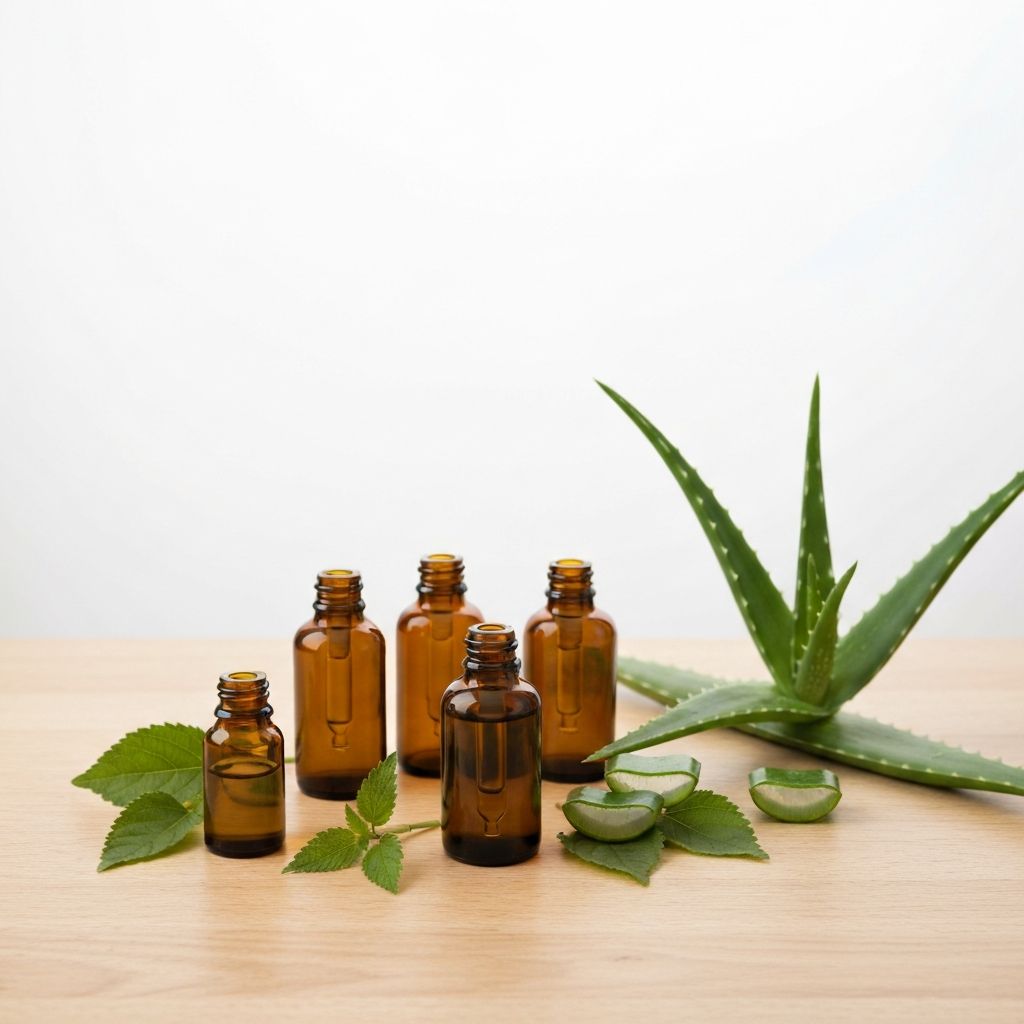
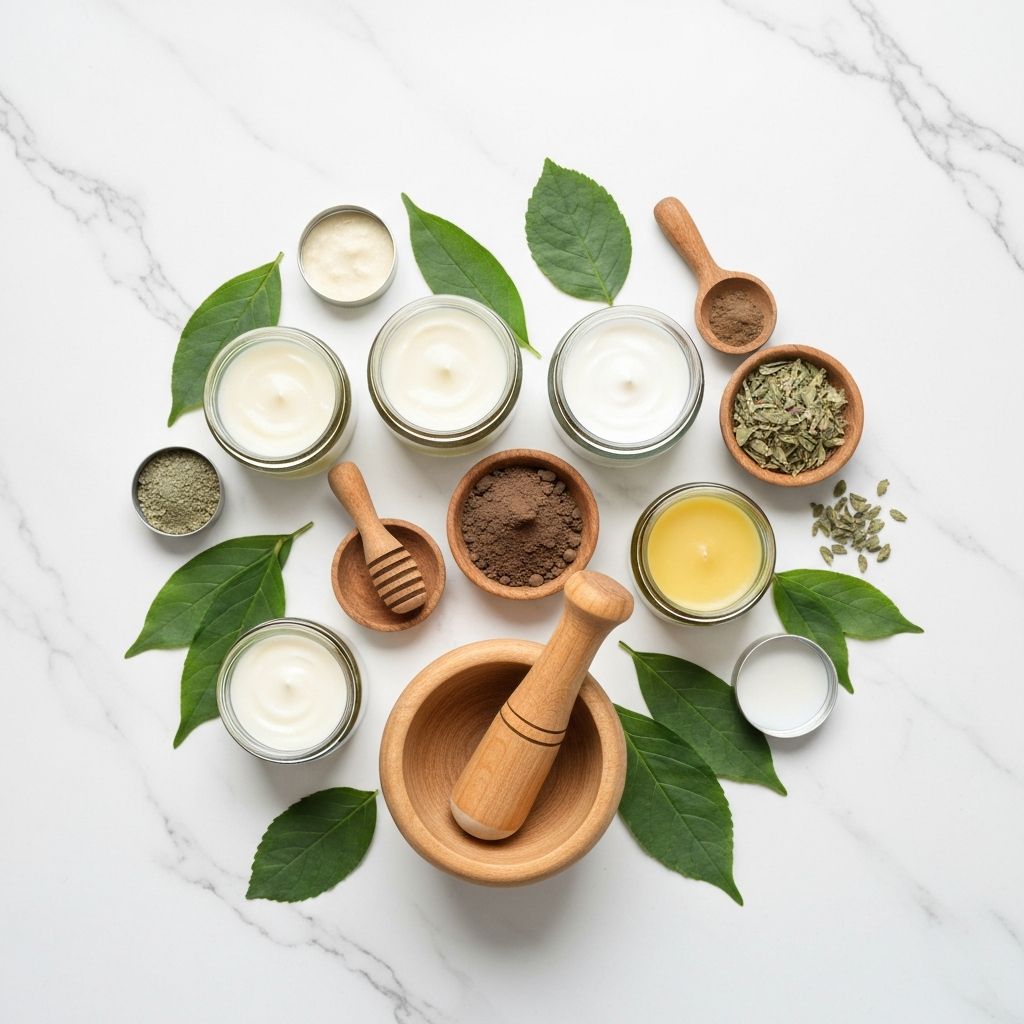
Illustrative images of balms, creams, and supplements
These images are illustrative examples of product categories discussed in our educational content. They do not represent specific brands or products available for purchase.
Explore more educational content about natural ingredients, daily care routines, and wellness concepts.
Learn About Our Educational Mission